Choosing clutch parts for a modified vehicle requires more than selecting the strongest kit available. Engine upgrades change torque delivery, heat levels, drivability, and gearbox stress. A clutch that works well in a standard car may slip, chatter, or wear quickly after modifications.
This guide explains How to choose clutch parts for modified vehicles through seven practical tips. It considers clutch diameter, friction material, pressure plate strength, flywheel compatibility, release systems, and expected driving conditions. A daily-driven turbo hatchback needs different behavior from a track-focused coupe. Street traffic demands smooth engagement, while repeated launches create serious thermal stress.
Small details matter.
During an inspection, check the manufacturer’s torque rating rather than relying on advertising claims. Compare that rating with the engine’s measured torque, not only its factory output. Examine the flywheel surface for heat spots, grooves, or uneven wear. These marks often reveal problems before installation. An experienced technician should also verify hydraulic travel, spline dimensions, bearing compatibility, and alignment.
There is no perfect clutch for every build. A very aggressive disc can improve holding power but may cause noise and uncomfortable engagement. I have seen owners choose oversized components, then discover clearance issues during fitting. That mistake is avoidable, although vehicle information is sometimes incomplete. Reliable installation instructions, reputable suppliers, and professional inspection provide better confidence. The following seven tips will help readers balance performance, durability, comfort, safety, and road-use requirements when selecting modified-vehicle clutch parts.
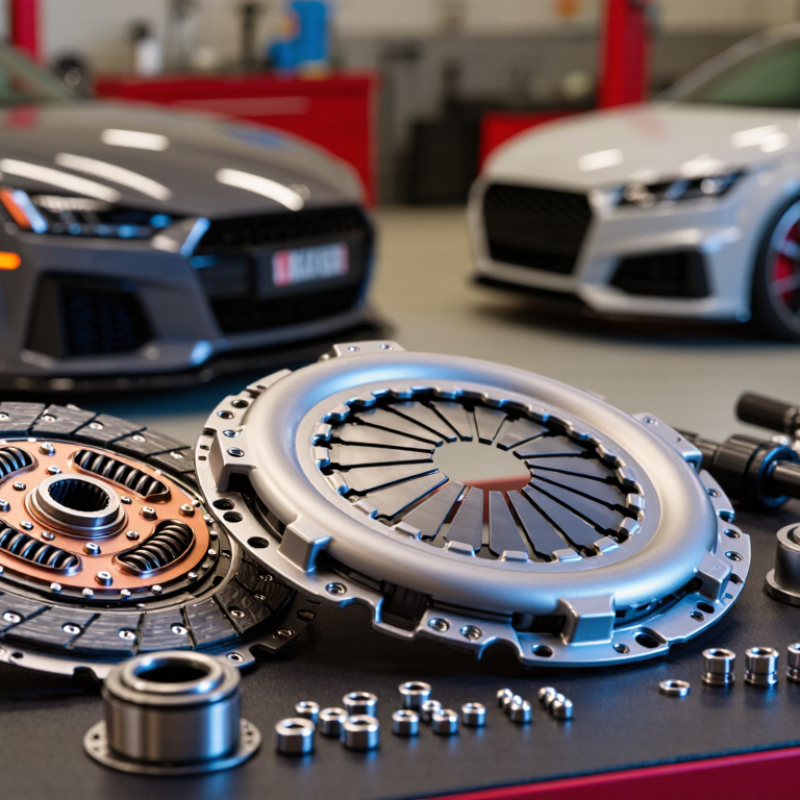
Before choosing clutch parts, define the vehicle’s power goal in measurable terms. Estimate engine torque, not only horsepower. Torque loads the clutch during launches, gear changes, and steep climbs. A mildly tuned street car may need an organic friction disc and a moderate-pressure cover. A high-output build may require stronger materials and improved heat resistance.
Be honest about the modification level. Larger turbochargers, upgraded fueling, and aggressive engine calibration can increase torque quickly. Extra grip from wider tires also transfers more shock into the drivetrain. Daily traffic demands smooth engagement, while occasional track driving may justify faster bite and higher temperature capacity. Review the transmission, flywheel condition, and hydraulic system before ordering parts. The clutch cannot correct a damaged release bearing or a warped mounting surface.
Usage matters more than a dyno number. Measure twice. I once focused on peak power and selected a clutch that felt harsh during every commute. That choice was technically strong but poorly matched to real driving. Check the manufacturer’s verified torque rating, operating temperature range, and installation requirements. Leave a margin above your expected output, especially if future modifications are likely. A practical target is often more reliable than chasing the maximum possible clamp force. Be honest about comfort. A heavier pedal can reduce fatigue for one driver and create it for another. During inspection, confirm proper break-in procedures and check engagement near the middle of the pedal travel.
Measure peak crank torque on a reliable dynamometer. Add a practical 20–30% safety margin. Not just horsepower. Turbocharged engines need extra allowance because torque can arrive suddenly.
Launch shock, tire grip, gearing, and driver error can create extra loading. A small rating advantage may disappear during repeated hard use. Heat can reduce friction performance. Your calculation may need revision.
Consider the torque curve, vehicle weight, tire grip, gearing, and driving style. Flywheel condition and temperature control also matter. Street traffic favors smooth engagement. Track driving demands stronger heat resistance.
Organic friction material usually provides smoother engagement and quieter operation. A sprung hub can reduce shock through the gearbox. It suits moderate power increases and frequent traffic. The pedal should feel predictable.
These materials can tolerate repeated heat during track use. They often engage abruptly and increase drivetrain stress. That behavior may feel like an on-off switch. No material is perfect.
It should hold measured engine torque without creating unnecessary pedal effort. Too little force causes slip under acceleration. Too much force can wear release components and burden the hydraulic system. More force is not automatically better.
Inspect the flywheel surface, release system, hydraulic components, and bearing condition. An overheated or uneven flywheel can imitate weak clamping force. A worn release system can ruin a stronger clutch. Inspect everything.
Accelerate strongly in a higher gear and compare engine speed with vehicle speed. Engine flare without matching acceleration suggests clutch slip. Drive slowly uphill, then repeat after several hard stops. If engagement chatters or turns harsh, rethink the setup.
Choosing the right clutch components is essential when upgrading a modified vehicle for greater power, sharper response, or improved drivability. How to choose clutch parts for modified vehicles begins with clearly defining your power goals, modification level, and typical driving conditions. Estimate the engine’s torque output and select a clutch with enough capacity to handle both current performance and reasonable future upgrades without creating unnecessary harshness.
Next, consider the clutch disc material and engagement style, balancing grip, smoothness, heat resistance, and daily comfort. Choose a pressure plate with suitable clamping force so it can prevent slipping without making the pedal excessively difficult to operate. Finally, verify that the flywheel and clutch parts match in size, mounting pattern, balance, and operating design. Proper fitment, reliable construction, and compatibility with the vehicle’s transmission are crucial for long-term performance. A well-matched system should deliver dependable power transfer, predictable engagement, and durability under the vehicle’s intended driving demands.

 Galleo Auto Parts