When it comes to daily driving, understanding how to reduce clutch wear during daily driving is essential. A well-maintained clutch can enhance your driving experience and prolong the life of your vehicle. Many drivers overlook simple habits that can lead to unnecessary wear and tear on this critical component.
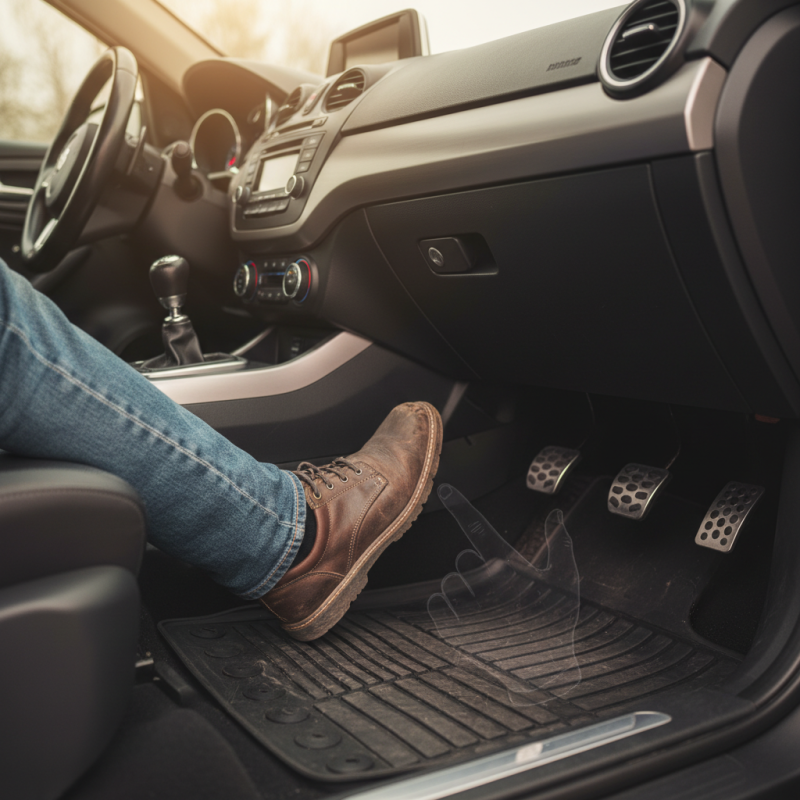
Engaging the clutch properly is vital. Avoid resting your foot on the clutch pedal while driving. This habit invites premature wear. Similarly, excessive throttle while engaging the clutch adds stress. Modern cars may not highlight these issues, but they can accumulate over time.
Remember to listen to your vehicle. If you feel the clutch slipping, or if it becomes harder to engage, it may be time for a check-up. Awareness and proactive maintenance can save you from costly repairs. Embracing these tips can keep your clutch in good shape and support a smoother, more reliable ride.
Clutch wear is a common issue for daily drivers. It stems from various factors, including driving habits, traffic conditions, and vehicle maintenance. According to a study published by the Society of Automotive Engineers, improper clutch usage can reduce its lifespan by as much as 30%. This highlights the significance of understanding how poor practices contribute to accelerated wear.
One major cause of clutch wear is frequent stop-and-go driving. In urban areas, drivers experience this regularly. Each time the car engages and disengages the clutch, friction increases. The heat generated can cause the clutch disc to wear out much faster than expected. Data from the Automotive Research Center indicates that city driving can cause up to 60% more wear on a clutch compared to highway driving.
Another critical aspect is the habit of resting a foot on the clutch pedal. This practice can lead to unnecessary pressure on the components. Even light pressure can wear out the release bearing over time. A report from the National Highway Traffic Safety Administration points out that drivers who frequently rest on the clutch have increased maintenance costs. Learning to adjust habits can significantly prolong clutch life while enhancing driving efficiency.
Shifting gears smoothly is vital to minimize clutch wear during daily driving. Studies suggest that improper gear changes can reduce clutch lifespan by up to 30%. A common mistake is resting your foot on the clutch pedal. This habit leads to unnecessary pressure on the clutch fork, causing premature wear.
To ensure smooth gear changes, make a habit of fully engaging the clutch. Avoid shifting when the engine is under high revs. This helps to synchronize the engine speed with transmission speed, reducing shocks. Additionally, using the handbrake on inclines can prevent slipping.
Using the right engine RPM during shifts is critical. Shift at lower RPMs for comfort. It may feel slower, but it allows the clutch to disengage smoothly. Don’t rush the process; hasty shifts can strain the system. Adopting a more relaxed driving style can improve the overall life of your clutch. Each change can either extend or diminish its lifespan.
Predictive driving is essential for reducing clutch wear. It involves anticipating traffic flow and road conditions. This proactive approach can help drivers avoid sudden stops and starts, which are damaging to the clutch system. Observing brake lights ahead or changes in traffic speed can prepare you for gradual slowing down. This not only conserves the clutch but also enhances overall driving safety.
Consider these tips to refine your predictive skills. Always keep a safe distance from the vehicle in front. This allows ample time to react to sudden changes. Watching the behavior of other drivers can provide vital cues. If a car is swerving, prepare for possible stops. Utilize mirrors to gauge conditions around you. This means being aware of everything, not just the car directly ahead.
Improving your anticipation can lead to smoother driving. Remember to shift your body weight during turns for better control. When approaching intersections, look for pedestrian movements. Each change in environment requires adjustments in driving style. By paying attention to these details, you foster a more reliable driving routine, which can significantly lessen clutch wear over time.
Regular maintenance is crucial for extending the lifespan of your clutch. Keeping your vehicle in good condition helps prevent unnecessary wear. Start by checking the fluid levels regularly. Low fluid can lead to poor performance. Monitor for any leaks that might compromise your system.
Driving habits significantly impact clutch wear. Avoid riding the clutch when you're idling. This practice can cause heat buildup and premature wear. Instead, fully engage the clutch when shifting gears. If you notice any unusual noises or difficulty in shifting, get it checked immediately. These could be signs of deeper issues needing prompt attention.
Maintaining a clean environment around your clutch is essential. Dirt and debris can interfere with its performance. Checking for any obstructions can prevent many common issues. Do not overlook the importance of a thorough inspection during routine maintenance. A trained mechanic can often spot problems before they escalate. Actively engaging in this process can yield long-term benefits for your vehicle.
| Tip | Description | Frequency | Impact on Clutch Longevity |
|---|---|---|---|
| Smooth Engagement | Engage the clutch smoothly to avoid sudden stress. | Every drive | High |
| Avoid Riding the Clutch | Do not rest your foot on the clutch pedal while driving. | Every drive | Very High |
| Regular Inspection | Check clutch fluid levels and overall system condition regularly. | Monthly | Medium |
| Proper Gear Shifting | Shift gears at appropriate RPMs to reduce strain on the clutch. | Every drive | High |
| Avoid Overloading | Do not exceed the vehicle's weight limit. | Every drive | Very High |
| Use the Handbrake | When stopped on an incline, use the handbrake instead of the clutch. | Every drive | High |
As a driver, recognizing the signs of clutch wear is crucial for maintaining your vehicle's performance. Pay attention to unusual noises when shifting gears. A grinding sound might indicate the clutch needs attention. Slipping is another red flag; if the engine revs but the car does not move as expected, it’s time to investigate further. Soft or stiff clutch pedals can also signal wear. These changes can affect your daily driving experience.
Regular maintenance is essential, but DIY checks might not catch everything. If you're unsure, consulting a professional is wise. Experts can provide insights that may escape the untrained eye. Ignoring signs of wear can lead to more significant issues and costly repairs down the line. Stay vigilant and proactive. Remember, when it comes to your clutch, timely intervention can save you from bigger headaches later.
: Clutch wear comes from driving habits, traffic conditions, and vehicle maintenance issues.
Frequent stop-and-go driving increases friction, leading to faster wear compared to highway driving.
Resting a foot on the clutch creates unnecessary pressure, potentially damaging components over time.
Regular maintenance, like checking fluid levels and avoiding riding the clutch, helps extend its lifespan.
If you notice unusual noises or difficulty shifting, get your vehicle checked immediately for underlying issues.
A clean environment prevents dirt and debris from interfering with the clutch's performance, promoting better function.
To effectively learn how to reduce clutch wear during daily driving, it is crucial to understand the primary causes and effects of clutch wear. Adopting best practices for smooth gear changes can significantly minimize clutch stress. This includes avoiding sudden starts and stops, and instead making gradual gear transitions. Moreover, practicing predictive driving by anticipating traffic and road conditions allows for a smoother driving experience that protects the clutch.
Regular maintenance is vital for extending the lifespan of your clutch. This involves checking the clutch system and ensuring it is well-lubricated. Additionally, being able to recognize the signs of clutch wear, such as slipping or unusual noises, is important so that you can seek professional help when necessary. By following these guidelines, drivers can maintain their clutch performance and longevity, enhancing their daily driving experience.

Galleo Auto Parts