Choosing the right clutch disc can determine whether an agricultural machine starts smoothly or stops during a demanding field operation. How to choose clutch discs for agricultural machinery is not a simple size-matching exercise. It requires attention to torque, engine power, operating hours, moisture, dust, and transmission design.
Agricultural transmission engineer Dr. Elena Marquez explains, “A clutch disc should match the machine’s working conditions, not only its catalogue dimensions.” This practical principle deserves attention. A disc may fit the shaft perfectly, yet fail under repeated loader work or heavy tillage. That happens.
This guide examines the details technicians often check beside the machine. These include spline count, outer diameter, friction lining material, hub strength, torsion springs, and allowable temperature. A worn disc usually shows more than thin friction material. Burn marks, oil contamination, broken damper springs, and uneven wear can reveal deeper problems.
Real experience matters here. A tractor working in wet rice fields faces different stresses from a dryland planter tractor. Frequent inching also creates more heat. So does an overloaded trailer. The best selection balances compatibility, durability, service access, and total operating cost.
Some choices remain uncertain without complete machine data. That limitation should be admitted. Manufacturer manuals, measured dimensions, and verified part numbers are safer than visual guesses. Buyers should also confirm pressure-plate compatibility before ordering. A cheaper disc can become expensive after one premature replacement.
The sections ahead provide a clear method for comparing clutch discs. They focus on reliable evidence, practical inspection, and field-based decision-making. The goal is simple: better engagement, longer service life, and fewer interruptions during critical agricultural work.
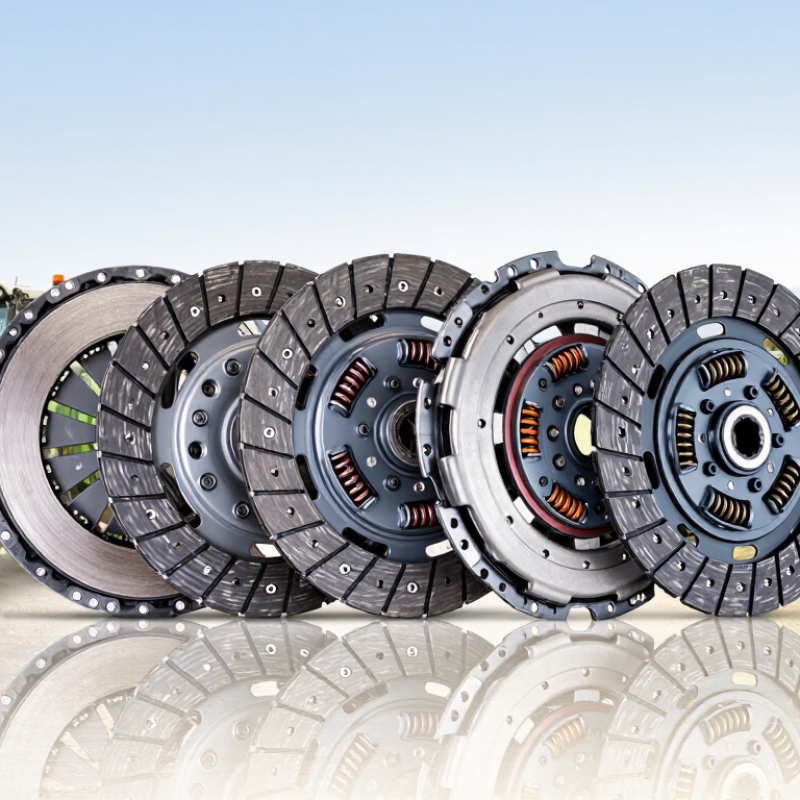
2026 Top How to Choose Clutch Discs for Ag Machinery?
Understanding Clutch Disc Functions in Agricultural Machinery
A clutch disc does more than connect an engine to a transmission. It transfers torque, absorbs vibration, and controls engagement during starts. In a tractor, this control protects gears when a loaded implement begins moving. Friction linings grip the flywheel and pressure plate. Hub springs soften torsional shock. Without that cushioning, driveline parts can rattle, heat, or wear quickly. Field work exposes weaknesses fast. Dust, moisture, heavy loads, and repeated reversing all change clutch behavior.
When choosing a disc, match its torque capacity to the engine and working load. Check the outside diameter, spline count, hub profile, and thickness. These dimensions must match the existing assembly, not merely the machine model. A disc for light mowing may fail under deep tillage. Organic linings often provide smoother engagement. Ceramic or metallic materials may tolerate higher heat, but they can feel harsher and increase flywheel wear. The correct choice depends on the duty cycle.
During inspections, I look for blue heat marks, uneven lining wear, oil contamination, and loose hub springs. A burnt smell matters too. It tells a story. Measure before ordering, and inspect the pressure plate at the same time. I once trusted a catalog dimension and missed a small spline difference. The installation stalled. That mistake reinforced one lesson: verify samples, service data, and actual field conditions. Higher capacity is not automatically better. Overspecification can reduce pedal feel and waste money. Ask how the machine works, not only what it is called.
Practical selection reference based on clutch function, operating conditions, dimensional compatibility, torque capacity, and maintenance requirements.
| Clutch Disc Function or Selection Dimension | Common Agricultural Application | Typical Data or Specification Range | Why It Matters | Recommended Selection Check | Typical Failure or Warning Sign |
|---|---|---|---|---|---|
| Power Transmission | Engine-to-transmission drive in tractors and utility agricultural vehicles | Torque capacity should exceed the engine's maximum transmitted torque, generally with a safety margin of approximately 20% to 30%. | The disc must transmit engine power without slipping during starting, towing, plowing, or operation on slopes. | Compare the disc's rated torque with the engine torque, transmission input requirements, and the machine's working load. | Clutch slip, burnt friction odor, glazing, reduced acceleration, or engine speed increasing without a matching increase in travel speed. |
| Disc Diameter | Compact tractors, general-purpose tractors, high-power tractors, and self-propelled equipment | Common agricultural clutch disc outside diameters are approximately 180 to 430 mm, depending on engine output and clutch housing design. | A larger friction diameter can provide greater torque capacity and heat dissipation when the pressure plate and housing are designed for it. | Measure the outside diameter, inside diameter, hub position, and available clearance. Never select by outside diameter alone. | Disc interference with the clutch cover, flywheel, or housing; insufficient friction area; abnormal noise; or premature wear. |
| Spline Compatibility | Manual transmissions, powershift systems, and drivetrain assemblies using a splined input shaft | The hub must match the input shaft spline count, major diameter, minor diameter, tooth form, and usable spline length. | Correct spline engagement ensures reliable torque transfer and allows the disc to slide during clutch release. | Verify spline dimensions with the service specification or by measuring the original disc and input shaft. | Difficulty installing the disc, hub looseness, spline fretting, incomplete disengagement, or damage to the transmission input shaft. |
| Friction Material | Dry clutch systems used in tractors and agricultural power units | Organic facings are common for smooth engagement; ceramic or metallic compounds may be used where higher heat resistance and load capacity are required. | Friction material affects engagement smoothness, wear rate, heat tolerance, noise, and compatibility with the pressure plate and flywheel. | Select the material specified for the clutch system. Consider duty cycle, operating temperature, engagement frequency, and serviceability. | Chattering, judder, excessive dust, rapid facing wear, cracking, hot spots, or poor engagement control. |
| Cushion Spring Design | Tractors requiring smooth starts and controlled torque transfer | Cushion segments between the friction facings provide progressive engagement; spring stiffness is matched to the clutch assembly. | The cushion mechanism reduces engagement shock and helps prevent driveline vibration during take-off. | Use the correct spring arrangement and facing thickness. Check that the cushion segments are not bent, cracked, or permanently compressed. | Harsh engagement, clutch judder, vibration, uneven facing contact, or difficulty controlling low-speed movement. |
| Torsional Dampers | Diesel tractors and agricultural machines exposed to cyclic engine torque | Damper springs are designed to absorb torsional vibration within a specified angular travel and torque range. | Damping protects transmission gears, shafts, and final-drive components from diesel engine firing pulses and load changes. | Confirm damper spring arrangement, spring window condition, angular free play, and compatibility with the original drivetrain calibration. | Rattling at idle, knocking during load changes, excessive driveline backlash, broken springs, or damaged spring windows. |
| Facing Thickness | Replacement of worn discs in dry single-plate or dual-plate clutch assemblies | Many agricultural clutch discs use friction facings approximately 7 to 12 mm thick when new, but the correct value is application-specific. | Thickness affects release-lever position, clamping geometry, pedal travel, and the remaining wear allowance. | Compare the new disc thickness with the service specification and verify that the pressure plate can clamp it correctly. | Clutch drag, clutch slip, incorrect release-lever height, limited adjustment range, or contact between rotating components. |
| Heat Resistance | Heavy tillage, loader work, transport, and frequent stop-start operation | Repeated slipping converts mechanical energy into heat. The required thermal capacity depends on vehicle mass, load, slope, speed, and engagement frequency. | Adequate heat resistance prevents friction fading, facing deterioration, and distortion of the disc or mating surfaces. | Choose a friction material and clutch assembly intended for the machine's duty cycle; avoid using the clutch as a substitute for a worn transmission brake. | Fading after repeated use, blue or black heat spots, warped facings, cracked rivets, and burnt friction material. |
| Wet or Dry Operation | Dry clutches in manual drivetrains and oil-cooled clutch packs in powershift systems | Dry discs operate without an oil bath; wet friction discs are designed for specific oil types, clearances, and hydraulic pressure. | Friction coefficient, cooling method, sealing requirements, and control pressure differ substantially between wet and dry systems. | Identify the clutch architecture before ordering. Do not install a dry friction disc in a wet clutch pack or use incompatible oil. | Severe slip, shudder, overheating, contaminated oil, rapid lining deterioration, or failure to engage correctly. |
| Load and Duty Cycle | Plowing, harrowing, baling, mowing, hauling, loader work, and PTO operation | Light, moderate, and severe duty are determined by transmitted torque, operating hours, engagement frequency, payload, and terrain. | The same disc size may perform differently under transport duty compared with repeated high-load field work. | Classify the machine's actual duty cycle and select a disc designed for the highest expected continuous and peak load. | Frequent adjustment, shortened service life, recurring slip under field load, and excessive heat generation. |
| PTO Clutch Function | Independent or live power take-off systems driving mowers, balers, tillers, and pumps | PTO clutch discs must match the PTO torque requirement, engagement system, plate arrangement, and available operating clearance. | A properly selected PTO clutch transfers implement power while allowing controlled engagement and overload protection where designed. | Check PTO horsepower, rotational speed, torque demand, disc diameter, spline profile, and whether the clutch is single-stage or dual-stage. | PTO fails to stop, implement starts unexpectedly, PTO slip under load, burning smell, or difficult stage engagement. |
| Dual-Clutch Arrangement | Tractors with separate clutch stages for vehicle drive and PTO operation | Dual-clutch discs and related components require correct stack height, disc orientation, hub offset, and release-finger adjustment. | Correct geometry allows the transmission and PTO functions to operate independently or in the intended sequence. | Record the order and orientation of both discs before removal and verify release-stage dimensions during installation. | Tractor moves when the clutch is partially depressed, PTO does not disengage, excessive pedal travel, or cross-function interference. |
| Disc Orientation | All dry clutch disc replacements | Many discs have a longer hub offset on the transmission side, but orientation must be confirmed from markings or service documentation. | Correct orientation provides clearance between the hub, flywheel bolts, pressure plate, and crankshaft assembly. | Follow the disc-side marking and compare the hub offset with the removed part before tightening the clutch cover. | Disc cannot release, hub contacts the flywheel or pressure plate, severe noise, or immediate clutch failure. |
| Environmental Resistance | Dusty, muddy, humid, high-temperature, and outdoor agricultural environments | The disc should tolerate abrasive dust, moisture exposure during storage or operation, vibration, and temperature cycling. | Environmental contamination can reduce friction consistency and accelerate corrosion, wear, and spring deterioration. | Inspect clutch housing sealing, avoid oil contamination, store the disc dry, and select materials suitable for the working environment. | Oil-soaked facings, rust on splines, sticking damper springs, uneven wear, and inconsistent engagement. |
| Installation Quality | Workshop replacement of clutch discs, pressure plates, and release bearings | Correct alignment, clean mating surfaces, proper fastener tightening sequence, and specified release clearance are essential. | Installation errors can imitate a defective disc and may cause drag, slip, vibration, or rapid component damage. | Use an alignment tool, inspect the flywheel and pressure plate, replace damaged hardware, and follow the equipment service procedure. | Clutch drag immediately after installation, uneven release, abnormal vibration, loose fasteners, or premature wear. |
| Replacement Decision | Routine overhaul or repair after clutch performance problems | A clutch disc should normally be evaluated together with the pressure plate, release bearing, pilot bearing, flywheel, and hydraulic or mechanical linkage. | Replacing only a worn disc may leave damaged mating components that cause the new disc to fail early. | Inspect facing wear, rivet depth, spline condition, damper springs, flywheel runout, pressure-plate contact, and release components. | Repeat repairs, persistent slip or drag, uneven contact marks, noise after overhaul, and reduced service interval. |
It transfers engine torque to the transmission. It also absorbs vibration during starts and gear engagement. Hub springs reduce twisting shock. Without cushioning, gears may rattle and wear quickly.
Measure the outside diameter, inside diameter, and total thickness with a caliper. Record measurements in millimeters. Compare them with service data and the existing assembly. Machine model information alone may be insufficient.
Count every hub spline carefully. Measure the shaft diameter across the spline teeth. Check the hub offset and engagement depth. One miscounted spline can stop installation completely.
Yes. Slide it onto the shaft by hand before installation. It should move smoothly without excessive looseness. Do not force an uncertain fit. That usually creates a larger repair.
Organic linings often provide smooth engagement for mowing and moderate loads. They may overheat during prolonged slipping. A burnt smell near the bell housing is a warning sign.
They can tolerate higher temperatures and heavier torque. However, engagement may feel harsher. They may also increase flywheel wear. Higher capacity is not always better.
Consider deep tillage, loader cycles, frequent reversing, dust, moisture, and cold starts. Fertilizer exposure can also affect components. The machine’s workload matters more than its name.
Look for blue heat marks, uneven lining wear, oil contamination, and loose hub springs. Inspect the pressure plate and pilot bearing too. Recheck every measurement. I once trusted a catalog dimension and delayed a field repair.
Choosing the right clutch disc is essential for reliable agricultural machinery performance, smooth power transmission, and reduced downtime. To understand how to choose clutch discs for agricultural machinery, first consider the disc’s function within the transmission system and confirm the correct diameter, thickness, hub design, and spline profile. These dimensions must match the machinery’s clutch assembly precisely to ensure proper engagement and prevent premature wear.
Operating conditions also play an important role. Select friction materials that suit the equipment’s workload, soil conditions, temperature, and frequency of use. Check the disc’s torque capacity, durability, heat resistance, and ability to withstand repeated loading. Before installation, verify compatibility with the pressure plate, flywheel, and release components, and follow the equipment’s adjustment requirements. High-quality replacement discs should have consistent construction, accurate dimensions, and dependable friction performance, helping agricultural machines operate safely and efficiently throughout demanding farming tasks.

 Galleo Auto Parts