A clutch pedal that suddenly feels heavy can make every stoplight frustrating. The cause may be a stretched or binding cable, worn linkage, a hydraulic fault, or internal clutch wear. These problems can feel similar under your foot, so replacing parts based on one symptom can waste time and money. A pedal that squeaks is not automatically a failed clutch. Small clues matter.
This guide explains How to troubleshoot hard clutch pedal issues with seven practical checks, from observing pedal movement to inspecting accessible cables and hydraulic components. Notice when the resistance begins, whether the pedal returns smoothly, and whether shifting becomes difficult. A fluid leak near the master or slave cylinder needs prompt attention. Start gently. Do not force the pedal or keep driving if the clutch will not disengage reliably. Vehicle designs vary, and some checks require tools or experience. It is easy to blame the clutch assembly too soon; that assumption can be wrong. Use the symptoms to narrow the possibilities, then consult a qualified mechanic when the fault is unclear or involves internal components.
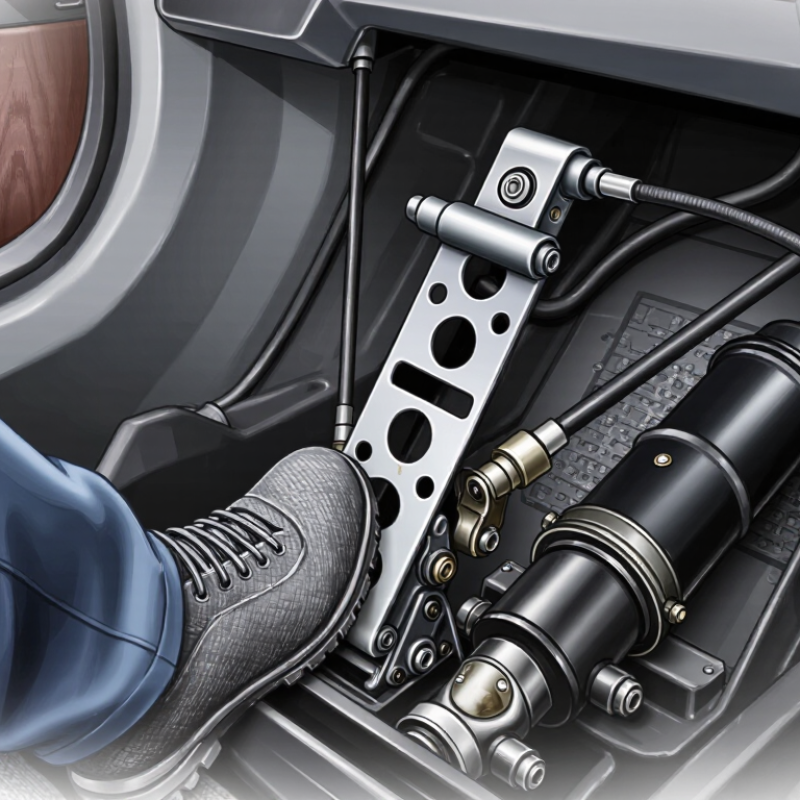
A clutch pedal’s resistance comes from several parts working together: the pedal pivot, cable or hydraulic circuit, release mechanism, and pressure plate. Pressing the pedal moves a cable or hydraulic piston. That motion pushes a release bearing against spring-loaded fingers in the pressure plate. That resistance is normal. Sudden heaviness is not.
For a basic check, notice whether the pedal feels stiff throughout its travel or only near the floor. With the engine off, look for a frayed cable, sharp cable bends, or a pedal pivot that moves roughly. On a hydraulic system, check the fluid level as directed in the owner’s manual and look for visible leaks near the master or slave cylinder. Don’t open a hot or pressurized system. A low level may signal a leak, not just a need to top it up.
A squeak, gritty feel, or pedal that fails to return can point to a binding pivot, cable, or release mechanism. If the pedal became hard gradually, a worn pressure plate or release bearing may also be involved. Diagnosis is not always tidy: several faults can feel alike from the driver’s seat. Avoid forcing the pedal. If simple checks reveal no clear cause, have a qualified technician inspect the clutch linkage and release components.
A hard clutch pedal can start with a simple fluid problem. Park on level ground, switch off the engine, and check the clutch reservoir against its MIN and MAX marks. Some vehicles share a reservoir with the brakes; others use a separate one. Follow the owner’s manual before adding fluid. The wrong specification can damage seals. Keep the cap area clean, since even grit can enter the system.
Look for dark fluid, a falling level, or wetness around the master cylinder, hydraulic line, and slave cylinder. A damp patch near the pedal or transmission may point to a leak. NHTSA’s Federal Motor Vehicle Safety Standard No. 116 specifies minimum equilibrium reflux boiling points of 205°C dry and 140°C wet for DOT 3 fluid, and 230°C and 155°C for DOT 4. These figures concern brake-fluid performance; use only the fluid type specified for your vehicle. A low reservoir is not a repair. Find the leak before refilling.
With the engine off, press the pedal slowly and note whether it feels gritty, stiff throughout, or suddenly easier near the floor. Check accessible hose sections for cracks, bulges, or damp fittings, but do not crawl beneath an unsupported vehicle. Hydraulic faults can be subtle. I would not call every firm pedal a failed cylinder; cold conditions and internal wear can mislead. If the fluid level keeps dropping, or the clutch will not disengage cleanly, have the system inspected and bled using the vehicle’s service procedure.
| Troubleshooting Step | What to Check | What the Finding May Indicate | Recommended Action |
|---|---|---|---|
| 1. Check the clutch fluid level | With the vehicle parked on level ground, inspect the clutch fluid reservoir and compare the level with its marked range. | A low level may result from a hydraulic leak or, on some designs, normal fluid displacement as components wear. | Use only the fluid specification listed in the vehicle owner’s manual. If the level is low, look for leaks and have the cause diagnosed rather than repeatedly topping it up. |
| 2. Inspect the master cylinder | Look around the clutch master cylinder, its connections, and the area near the pedal for wetness or fluid traces. | A leaking or internally failing master cylinder can interfere with hydraulic pressure and pedal operation. | Have the cylinder and connections inspected. Replace failed parts and bleed the system according to the vehicle’s service procedure. |
| 3. Examine the hydraulic line and hose | Check accessible hydraulic pipes, flexible hoses, and fittings for dampness, corrosion, cracks, kinks, or damage. | A damaged line or hose can leak fluid, restrict flow, or allow the system to lose pressure. | Repair or replace damaged components. Do not drive if a leak is significant or clutch operation is unreliable. |
| 4. Check the slave cylinder | Inspect the slave cylinder and nearby surfaces for fluid leaks; its location varies by vehicle. | A leaking slave cylinder may reduce clutch release and lower the reservoir level. | Ask a qualified technician to inspect and replace a faulty cylinder. Some vehicles place the slave cylinder inside the bell housing, where inspection is less accessible. |
| 5. Consider air in the hydraulic system | Notice whether the pedal feels spongy, changes after repeated presses, or fails to return normally. | Air can enter through a leak or after hydraulic work and may prevent consistent clutch release. | Find and correct any leak before bleeding the system using the manufacturer’s procedure. Bleeding alone will not fix a continuing leak. |
| 6. Inspect pedal movement and linkage | With the vehicle safely parked and switched off, check for an obstructed pedal, a damaged return spring, or binding at accessible pedal pivots and linkage. | A floor mat, worn pivot, bent linkage, or binding component can make the pedal feel unusually heavy. | Remove any obstruction and have damaged or binding parts repaired. Keep hands clear of moving parts and follow the vehicle’s service guidance. |
| 7. Check for clutch or release-mechanism wear | If hydraulic and pedal components appear sound, note whether the pedal became heavier gradually or is accompanied by noise, slipping, or difficult gear selection. | A worn or binding release bearing, pressure plate, or related clutch component can increase pedal effort. | Arrange a professional clutch-system inspection. Internal clutch faults may require transmission removal and should not be diagnosed by forcefully operating the pedal. |
A hard clutch pedal often points to friction or misalignment in the cable, linkage, or pedal pivot. Park on level ground, switch off the engine, and let the car cool before inspecting. Check the visible cable sheath for crushed sections, sharp bends, rust, or exposed strands. A cable can look tidy near the pedal while binding farther along its route, so inspect as much of it as you can safely reach.
Feel the pedal’s movement with the engine off. Does it catch at the same spot, scrape, or return slowly? Watch the linkage move while a helper presses the pedal. Loose joints, bent rods, or dry pivot points may cause stiffness. Look for worn bushings and metal dust around the pedal hinge. Keep hands clear of moving parts. A small squeak alone proves little.
Do not force a stiff pedal or spray lubricant everywhere; some cables and bushings require specific service procedures. Lubricate only points identified for service, and check the vehicle’s repair information before adjusting cable tension. Incorrect adjustment can leave the clutch partially engaged. This inspection can narrow the cause, but it may not reveal a damaged component hidden inside the housing.
A hard pedal can point to a release bearing that is binding on its guide sleeve, or a pressure plate with damaged diaphragm fingers. Listen for a growl that changes when you press the pedal. A rough sound is a clue, not proof. SAE technical literature on clutch release systems emphasizes checking component movement and wear; pedal feel alone cannot identify the failed part. Inspect for uneven finger height, heat discoloration, and scoring where the bearing travels. A shiny, grooved contact surface deserves attention.
Compare pedal effort and release travel with the vehicle’s service specifications. Record the measurements, rather than relying on “it feels heavy.” If the bearing sticks, the pedal may move in steps; a distorted pressure plate can create uneven resistance. These signs overlap. It is easy to blame the bearing too soon, and the distinction may only become clear after inspection.
Tips: With the engine off, press the pedal slowly and note any gritty feel or clicking. Check hydraulic fluid and leaks before removing the transmission. Photograph the pressure-plate fingers and bearing face, then compare wear across the full circumference. Use the vehicle’s service manual for limits; there is no universal wear figure.
After a clutch repair, check pedal movement with the engine off. It should travel smoothly, without sticking or scraping. Listen for new clicks near the pedal or transmission. Then start the engine in neutral, with the parking brake engaged and the area clear. Press the clutch fully and select each gear gently. Don’t force it. A safe, low-speed test can reveal problems that a stationary check misses. Choose a flat, quiet area, and keep the first drive brief. The clutch should engage predictably, without shuddering, slipping, or needing unusual force.
Stop the test if the vehicle creeps with the pedal down, gears grind, or the pedal suddenly feels soft or stays on the floor. A burning smell or fluid leak also deserves prompt attention. A quick driveway check is useful, but it may miss a fault that appears after the system warms up. Note when the symptom occurs, whether the pedal returns fully, and any unusual sounds. Share those details with a qualified mechanic. If gear selection remains difficult, avoid repeated attempts; forcing the shifter can add damage. A pedal that feels slightly different after repair may need adjustment, but guessing at the cause is not a reliable fix.
The pedal pivot, cable or hydraulic circuit, release mechanism, and pressure plate work together. Some resistance is normal.
Sudden heaviness may point to a binding cable, pivot, or release component. Don’t force the pedal.
With the engine off, look for fraying, sharp bends, or rough pedal-pivot movement. A small bend can matter.
Check the fluid level as the owner’s manual directs. Look for leaks near the master or slave cylinder. Don’t open a hot or pressurized system.
It can suggest a binding pivot, cable, or release mechanism. These clues overlap, so they do not identify one failed part.
Yes. A binding bearing may cause stepped pedal movement or a growl when pressed. Not proof.
Look for uneven diaphragm fingers, heat discoloration, and scoring where the bearing travels. Compare wear around the full circumference.
Compare pedal effort and release travel with the vehicle’s service specifications. Record measurements; “feels heavy” is not precise enough. A qualified technician can inspect unclear faults.
A hard clutch pedal can make driving uncomfortable and may point to resistance somewhere in the clutch system. How to troubleshoot hard clutch pedal issues begins with understanding how the pedal, hydraulic or cable controls, release bearing, and pressure plate work together. Start by checking the clutch fluid level and looking for leaks or damaged hydraulic components. If the vehicle uses a cable or mechanical linkage, inspect it for fraying, binding, poor adjustment, or worn connections, and check that the pedal pivot moves freely.
If these basic checks do not reveal the cause, the release bearing or pressure plate may be worn or damaged and could require professional inspection. After any repair or adjustment, press the pedal several times and test its movement and engagement in a safe setting. The pedal should move smoothly and return properly. If it remains unusually stiff, makes concerning noises, or the clutch does not disengage reliably, stop driving when appropriate and seek help from a qualified technician.

Galleo Auto Parts